How to label breast milk bags (and why a QR beats a Sharpie)
A label has one job: six months from now, tell you whether this bag is the one to use. Every storage limit — 6 months in the freezer, 4 days in the fridge, per the CDC — counts from the moment the milk was expressed, so a bag without a date is a bag without an expiration. Here's what to write, a sheet you can print, and why the marker is the weak link.
Short answer
Limits count from expression per CDC · not medical advice
What should I write on a breast milk bag?
| Field | Why it's there |
|---|---|
| Date expressed | The one field that isn't optional. Every estimated limit is counted from it. |
| Time | Separates the 6 AM bag from the 10 PM bag on the same date — useful for FIFO, and for the 4-day fridge clock, where hours matter. |
| Amount (oz and ml) | So you thaw one feed, not one-and-a-half. Both units, because the daycare's chart may use the other one. |
| Location | "Deep freezer", "Grandma". A bag that travels still says where it belongs. |
| Baby's name | For daycare and any shared fridge. |
| Notes (optional) | "Thawed Tue 7 PM" when a bag comes out — the 24-hour thawed clock starts from fully thawed (CDC), and nobody remembers that time by Wednesday. |
Write the expression date, not the day you got around to freezing. A bag that waited two days in the fridge before freezing is two days older than one frozen straight away, and the label is the only place that fact survives.
What do daycares require on the label?
It varies — by daycare, by state, and sometimes by classroom. Most want at least the baby's full name and the date; some want the time, the amount, or the date it was thawed. Rather than a generic list, check your daycare's own sheet and make its fields your template. The printable labels below have a name field so the bags you send already comply. Pair them with the one-page instruction sheet from the daycare guide — which bottle first, how much, and the leftover rule (2 hours per the CDC).
Print a sheet of labels
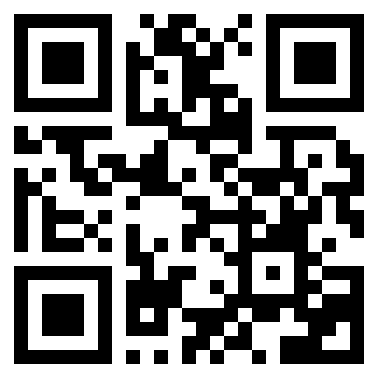
Fill in the fields, choose how many, and print — on plain paper to cut, or on 3-across label stock. The QR on the sheet is an illustration of the layout; the app prints the scannable ones.
Printable labels
Prints on plain paper or 3-across label stock (1 × 2⅝ in, 30 per sheet).
Where and how do I write on the bag?
- Before you fill it. Ink beads and smears on a cold, damp bag. Label the empty bag, then pump into it.
- On the label patch, not the seam. The frosted rectangle is designed to take ink; the clear plastic and the zip seam aren't.
- Permanent marker or a freezer-rated sticker. Ballpoint scratches off, and most office labels lose their glue in the freezer.
- Big, plain digits. You will read this through frost, at 3 AM, by the freezer light. "08/16" beats "Aug sixteenth-ish".
- Same format every time. Month-first or day-first, pick one — a stash with both is a stash where "06/08" is a guess.
Why does a QR beat a Sharpie?
Because a marker records a fact and then stops helping. It can't tell you that this is the third-oldest of forty bags, or that the bag next to it finished thawing yesterday at seven, or that the daycare is expecting two of them tomorrow. A QR label ties the bag to a record that can:
- Scan to see — estimated expiration, location, and where the bag sits in the use-first order, without reading a date and doing the math.
- Scan to act — mark it thawed when it's liquid (which is when the 24-hour clock is supposed to start), mark it used, move it to another freezer.
- It survives the freezer. A code printed on a proper label reads fine through frost; a smeared "8/16" is a coin toss.
- It matches the caregiver's sheet. The code on the bag is the code on the instruction sheet: "give A3 first, then A4".
You still write the date by hand — a QR isn't a substitute for the human-readable label, it's the layer on top that makes the label actionable.
What about the bags already in the freezer?
Log them with the date that's on them. If a bag has no date at all, that's the honest moment to decide: it can't be placed on any guideline's timeline, and none of the storage tables can help with it. Ask your pediatrician or an IBCLC if you're unsure, and label the next one.
Milkloft gives every bag a record the moment you log it — date, time, amount, location and an estimated expiration from a cited, editable guideline. Pro prints scannable QR labels and turns a scan into an action: see the bag's status, mark it thawed or used. And the caregiver handoff sheet uses the same codes that are on the bags. One-time purchase, no subscription.
Frequently asked questions
What do you write on a breast milk storage bag?
At minimum the date it was expressed. Better: date, time, amount (oz and ml), and where it lives (fridge, main freezer, deep freezer). For daycare, add your baby's name. Write it before filling the bag, on the label patch, with a permanent marker — ink doesn't take on a cold, damp bag.
Do I need to put my baby's name on breast milk bags for daycare?
Almost always, and often more — many daycares also want the date and sometimes the time or amount. Requirements vary by daycare and by state, so check your daycare's own sheet rather than a generic list. The printable labels on this page have a name field for that.
Should I write the pumping date or the freezing date on the bag?
The pumping (expression) date. Every storage limit in the CDC, ABM and NHS tables counts from expression — about 6 months in the freezer, 4 days in the fridge — so that is the date that decides when the bag expires. If you want to note the freeze date too, add it as a second line, never instead.
Can I print labels for breast milk bags?
Yes — the generator on this page prints a sheet of labels with date, time, amount, location and an optional name, on plain paper or 3-across label stock, straight from the browser. No email, no account.
Do QR labels for breast milk actually help?
They fix the part a marker can't: the bag is tied to a record. Scan it and you see its estimated expiration, its location and its place in the use-first order, and you can mark it thawed or used in one tap. Handwriting tells you what the bag is; a QR tells you what to do with it.